The Short Answer
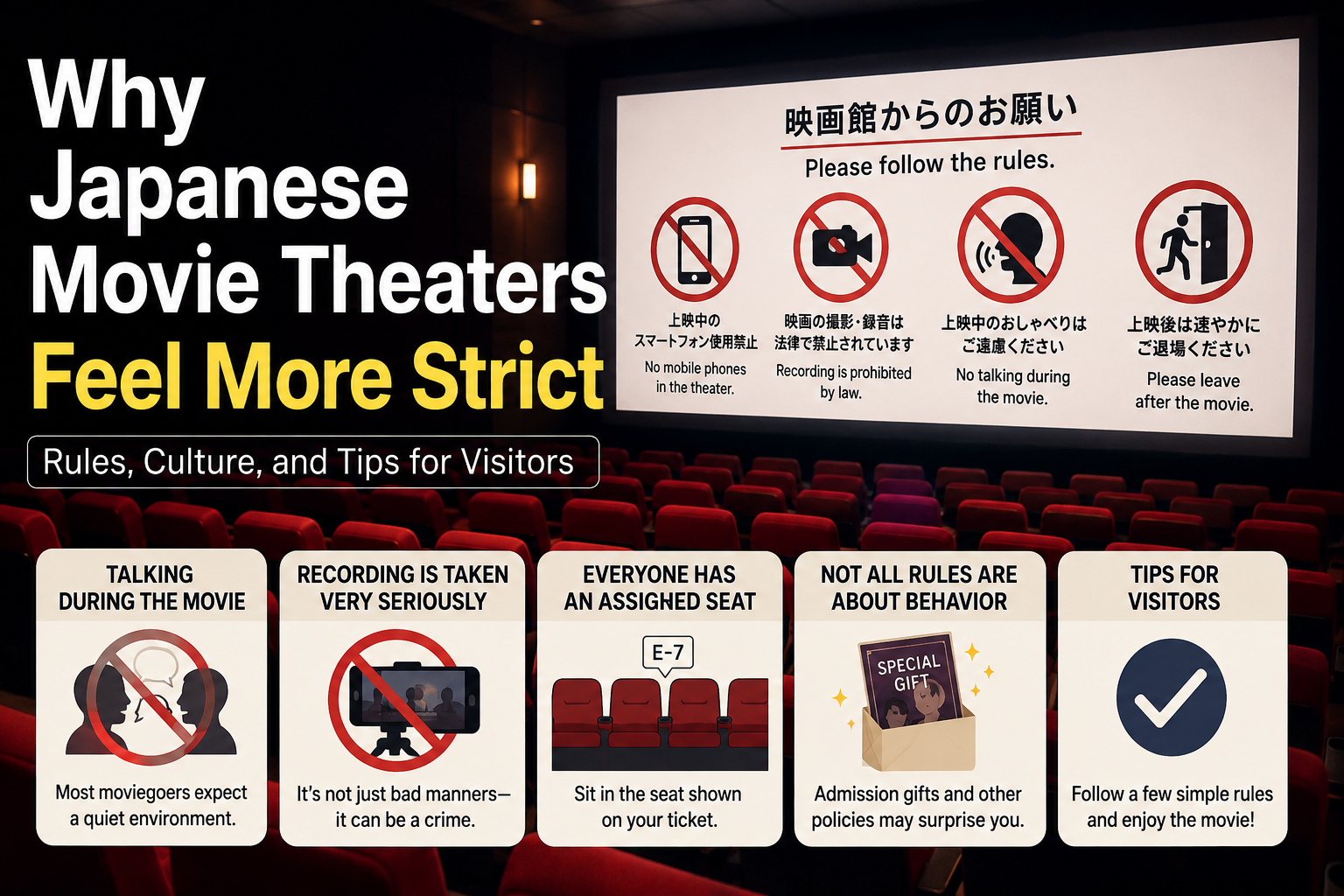
Many visitors feel that Japanese movie theaters are stricter than theaters in their home countries.
In reality, most of the rules themselves are not unusual. The difference is that moviegoers in Japan generally expect everyone to follow them so that everyone can enjoy the film without distractions.
As a result, behavior that might be overlooked elsewhere is more likely to draw attention in Japan.
Talking During the Movie
One of the biggest differences visitors notice is how quiet Japanese movie theaters are.
Most moviegoers expect a silent viewing environment once the film begins. Even conversations between friends can be considered disruptive by nearby guests.
If another customer is talking loudly during a movie, it is common for other guests to report the issue to theater staff.
For the best experience, keep conversations to a minimum until the movie has ended.
Recording Is Taken Very Seriously
Another important difference is how seriously theaters treat recording.
In Japan, recording a movie screen or audio during a screening is not simply considered bad manners—it may violate Japanese law.
Movie theaters regularly show anti-piracy messages before the film starts. You can see an example here.
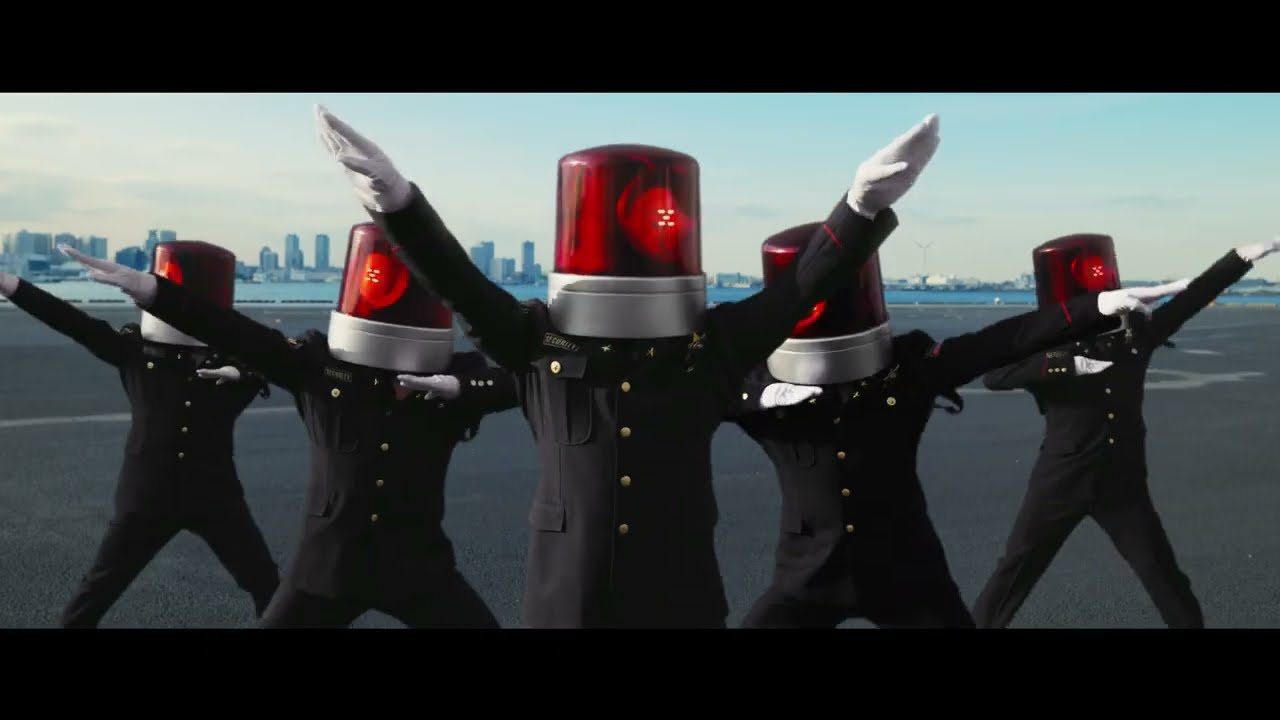
Staff also take reports of unauthorized recording seriously.
Recording movies in theaters is not just considered bad manners. It is also prohibited under Japanese law. For more information, see the Agency for Cultural Affairs’ guide on movie piracy.
As a theater employee, I have personally seen cases where unauthorized recording was reported and the police became involved.
While talking during a movie may simply annoy other guests, recording a movie can become a legal issue. The safest approach is simple: never record the screen or audio during a screening.
Even short recordings intended for social media can create problems. If you would like to take photos or videos, wait until you are in an area where photography is clearly permitted.
As a visitor, the safest approach is simple: do not record the movie screen or audio during a screening.
Everyone Has an Assigned Seat
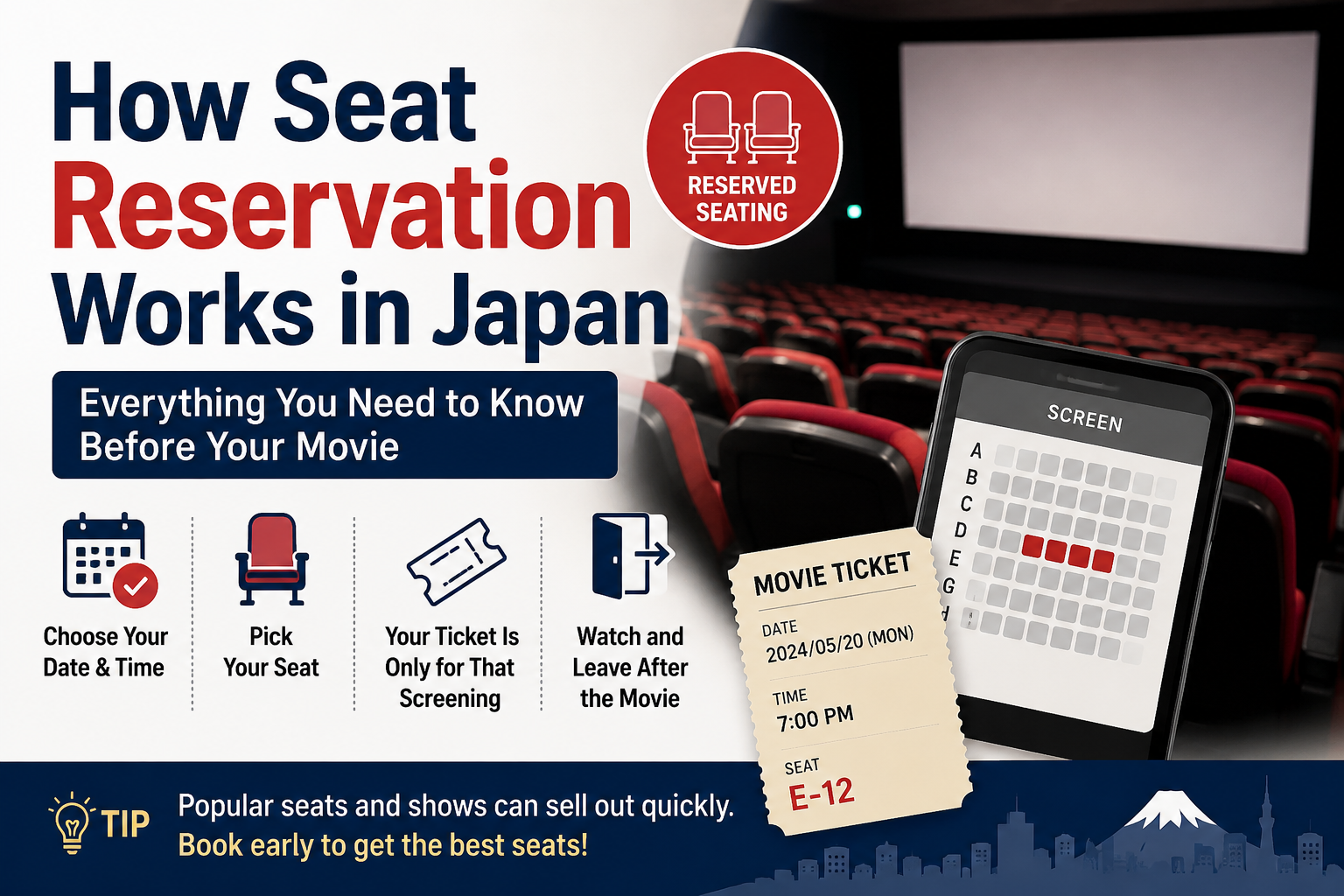
Most movie theaters in Japan use reserved seating.
When you buy a ticket, you choose a specific seat and are expected to sit there during the movie.
Even if another seat appears empty, moving without permission can cause confusion because that seat may belong to another customer.
If you would like to learn more about reserved seating, see our guide to how seat reservation works in Japan.
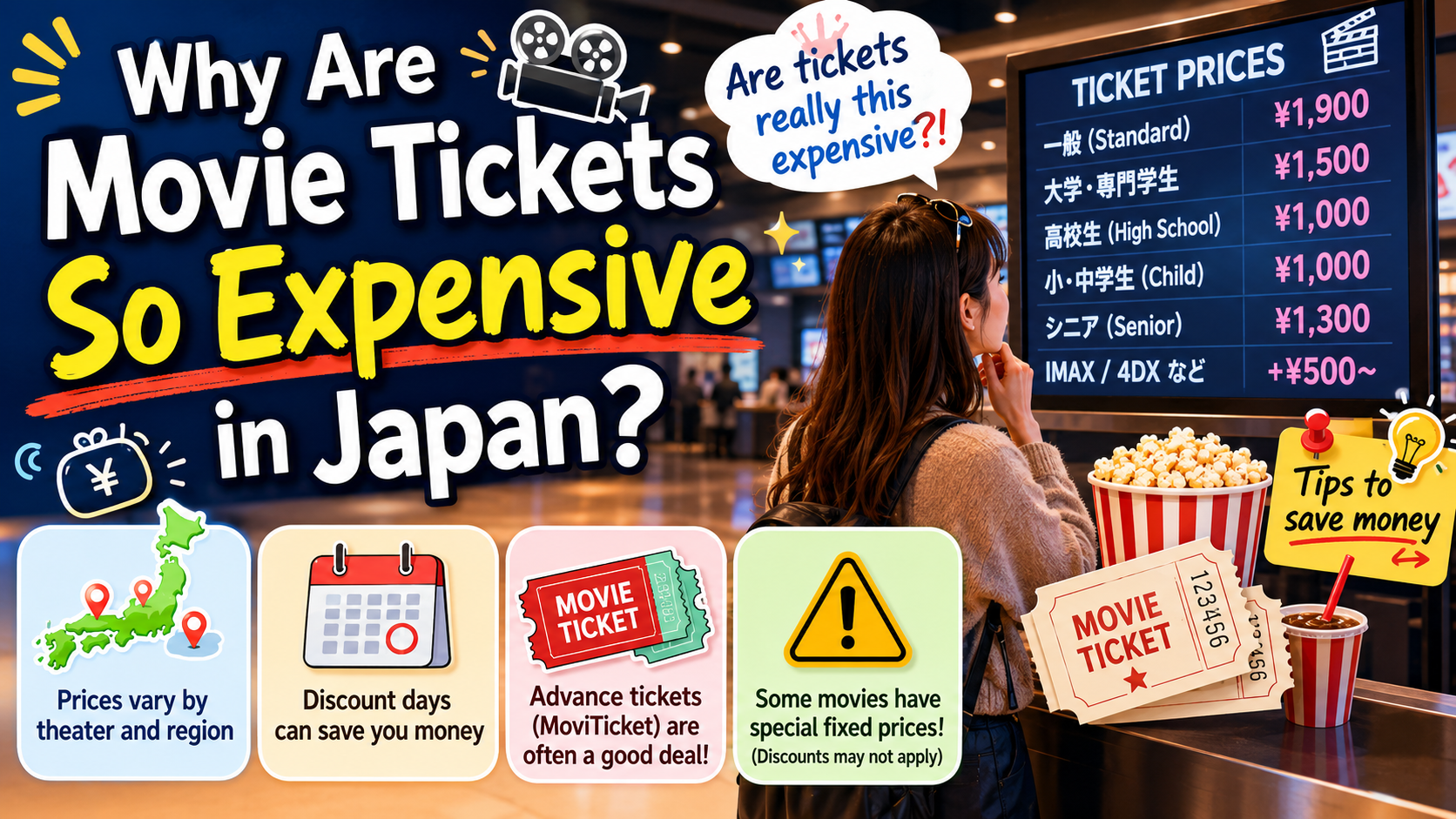
Reserved seating is usually selected when you purchase your ticket. If you’re not sure how the ticket-buying process works, check out our guide to buying movie tickets at a Japanese movie theater.
Not All Rules Are About Behavior
Some of the most surprising rules are not related to behavior at all.
For example, many Japanese movies offer limited admission gifts. These gifts may have special distribution rules, such as random designs, limited quantities, or one gift per person.
Visitors are often surprised by these policies because similar systems are uncommon in many countries.
If you would like to learn more, see our guide to movie theater bonus gifts in Japan.
Why Do Japanese Theaters Feel Stricter?
Japanese movie theaters are designed to provide a comfortable and distraction-free environment for everyone.
Many of the rules visitors notice are common in other countries as well. The difference is that moviegoers in Japan generally expect these rules to be followed consistently.
Because of this, Japanese theaters may feel stricter, even when the rules themselves are familiar.
Tips for Visitors
- Keep conversations to a minimum during the movie.
- Do not record the screen or audio.
- Sit in the seat shown on your ticket.
- Follow staff instructions if a problem occurs.
- Check theater policies if you are unsure about admission gifts or special screenings.
Understanding these expectations will help you enjoy a smooth movie-going experience in Japan.
If this is your first time visiting a Japanese movie theater, our guides on buying tickets, reserved seating, English subtitles, and admission gifts can help you prepare before your visit.
コメント